
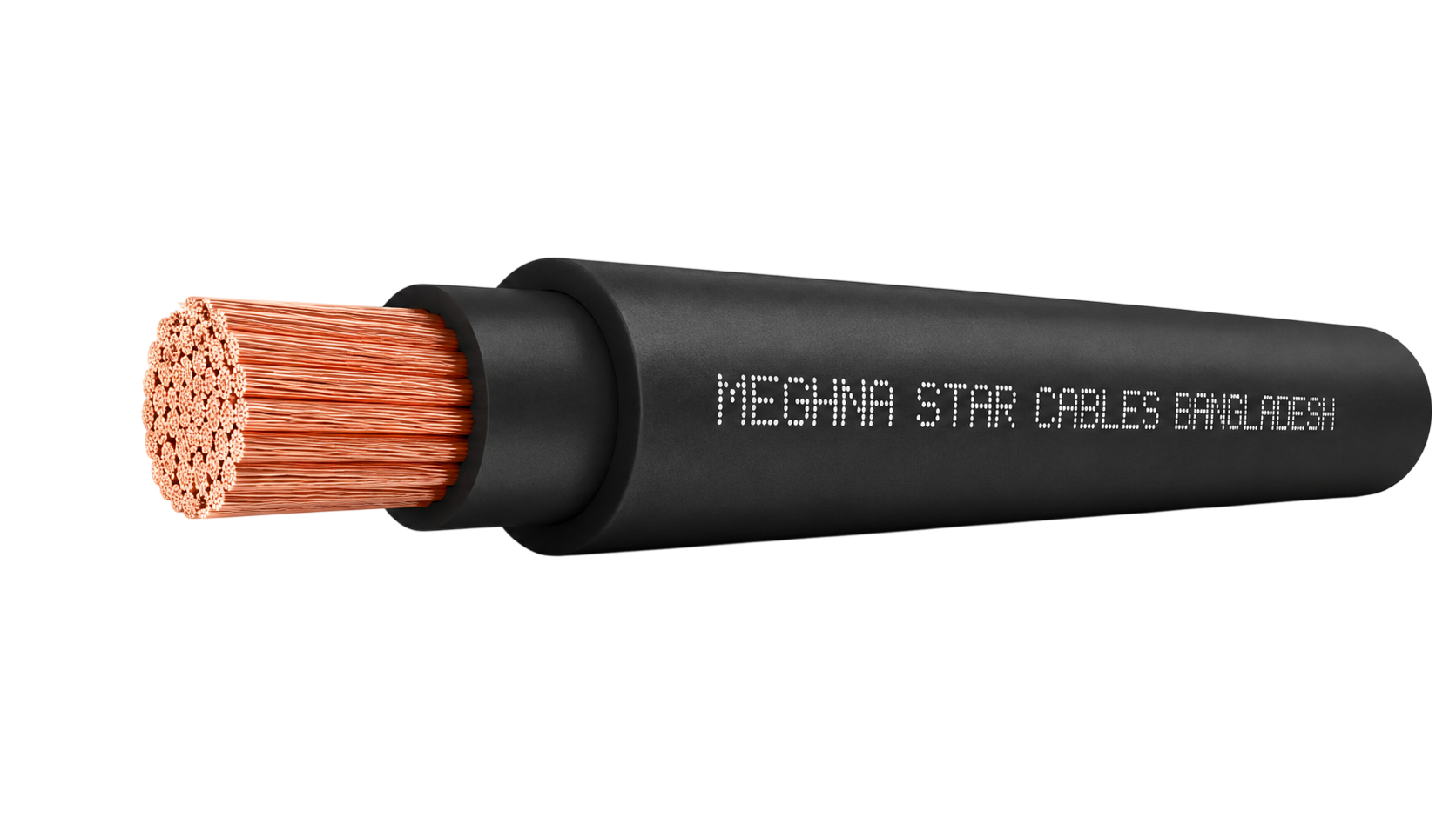
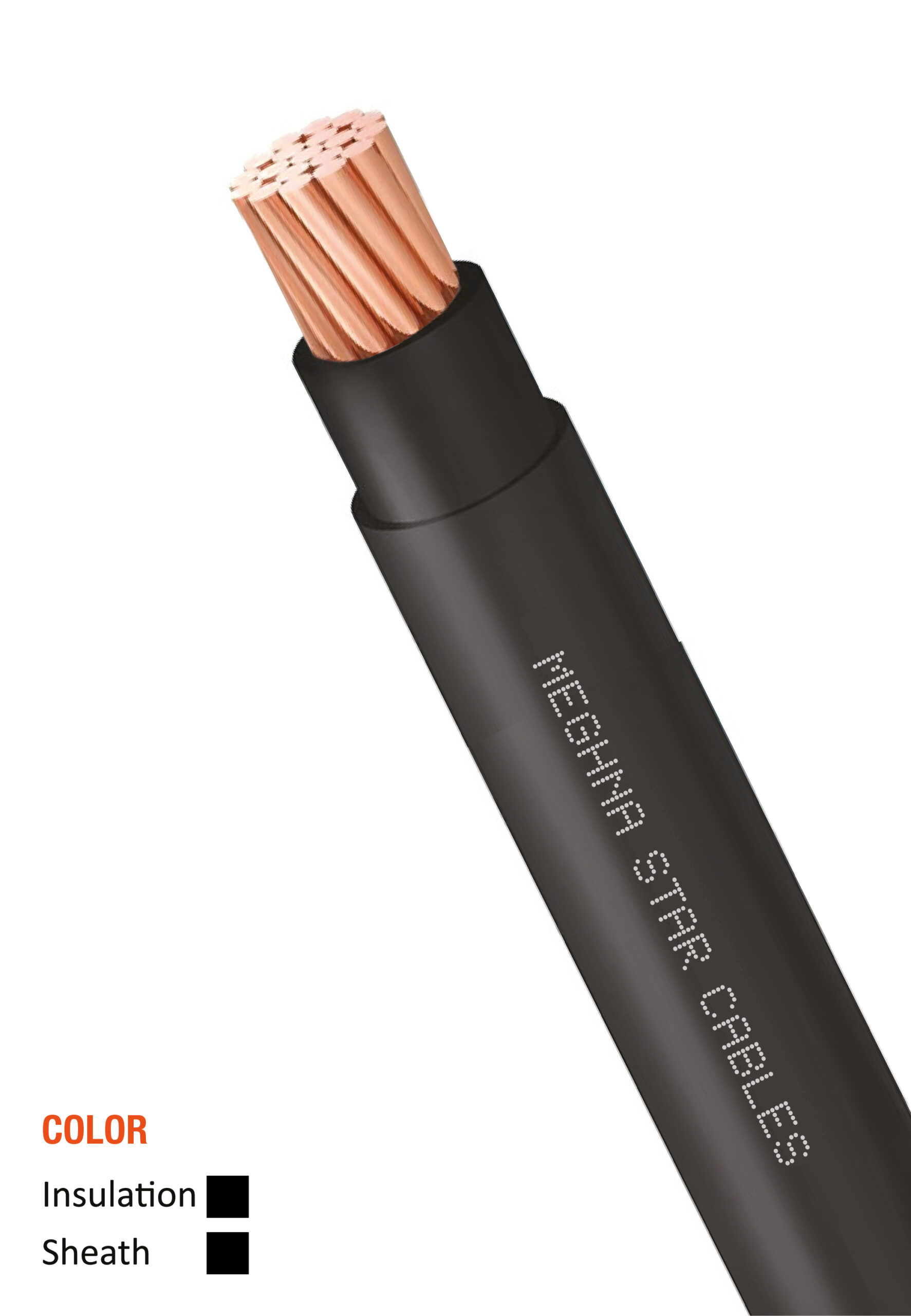
Low voltage cables offer a safe, cost-effective, and energy-efficient solution for transmitting power, data, and signals in residential, commercial, and industrial applications. They are easy to install, provide reliable performance, reduce electrical hazards, and are commonly used in telecommunications, security systems, networking, automation, and lighting controls.
Meghna Star Cable is a leading manufacturer in Bangladesh, known for high-quality products, reliable performance, and best-in-class service.
Our large cable stock is always ready to be shipped around the globe.
In our state-of-the-art laboratories we subject our cables to stringent product testing and quality controls.
A friendly and eficient sales team and our excellent logistics will satisfy your cable requirements.
.
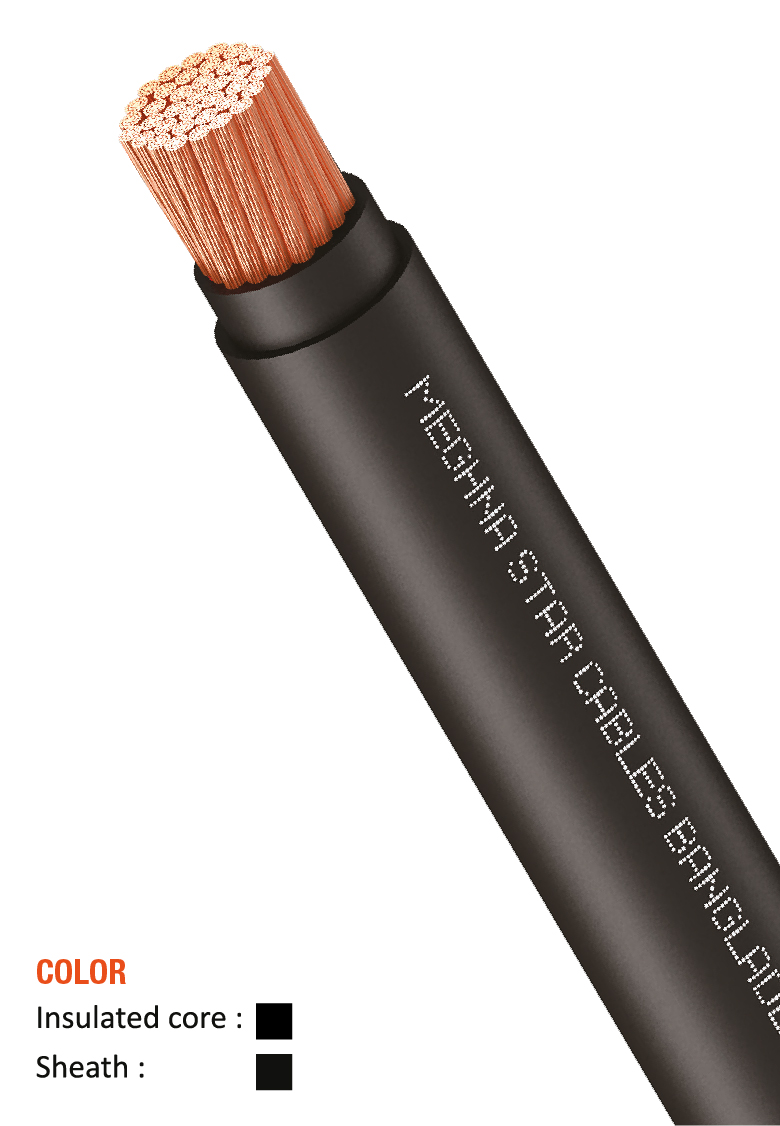
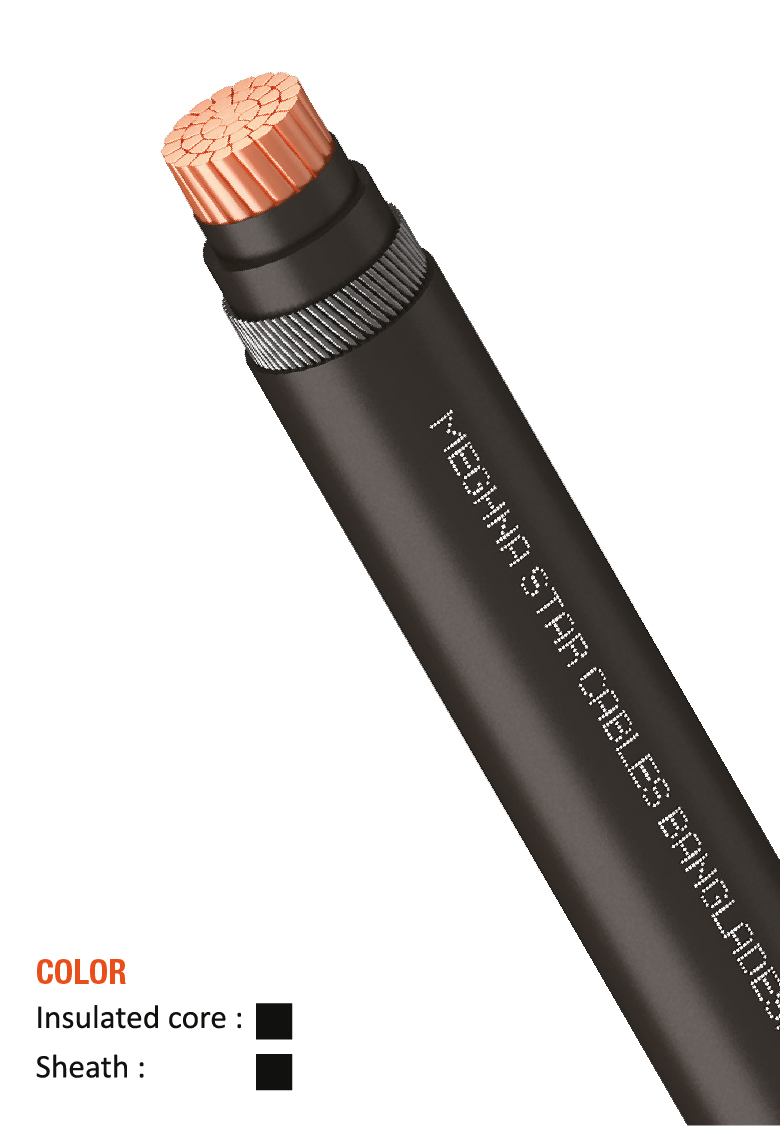
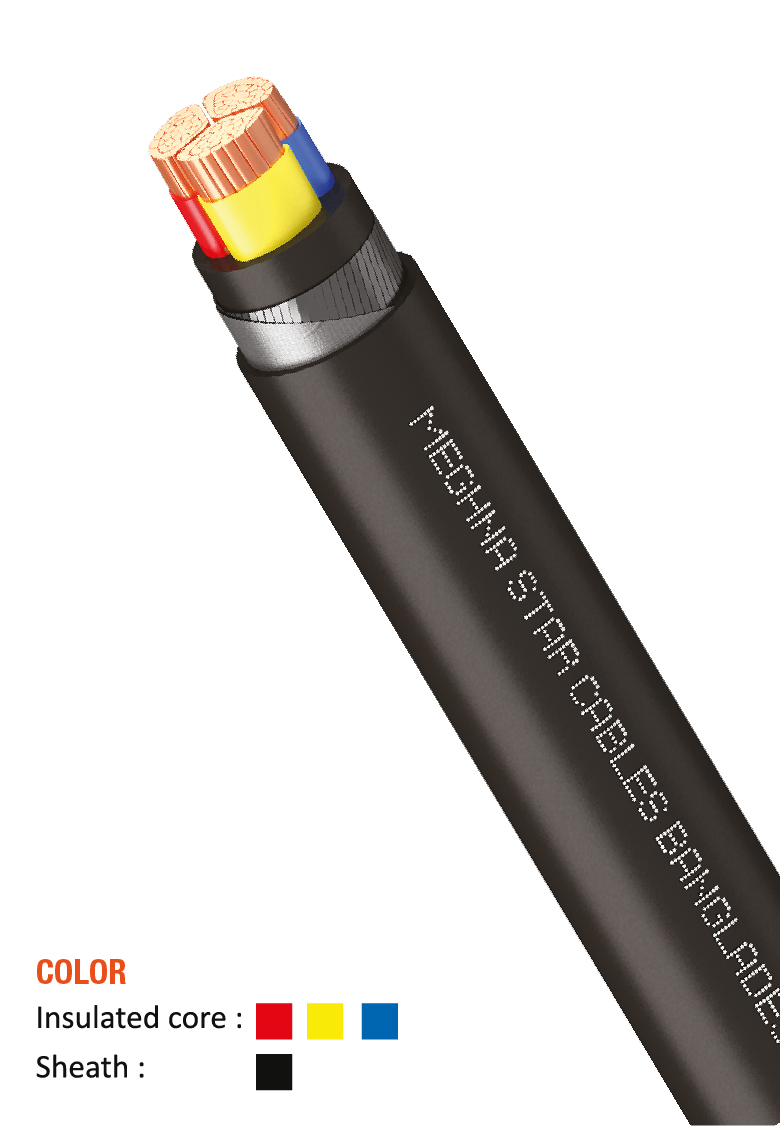
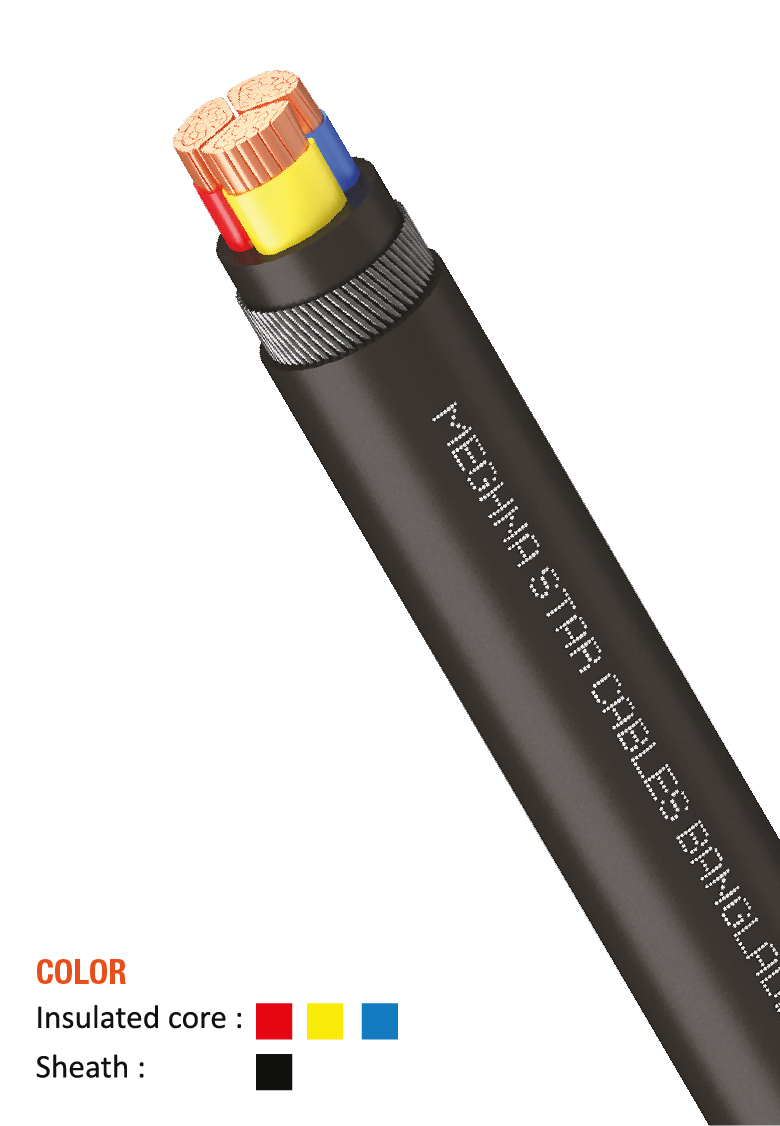
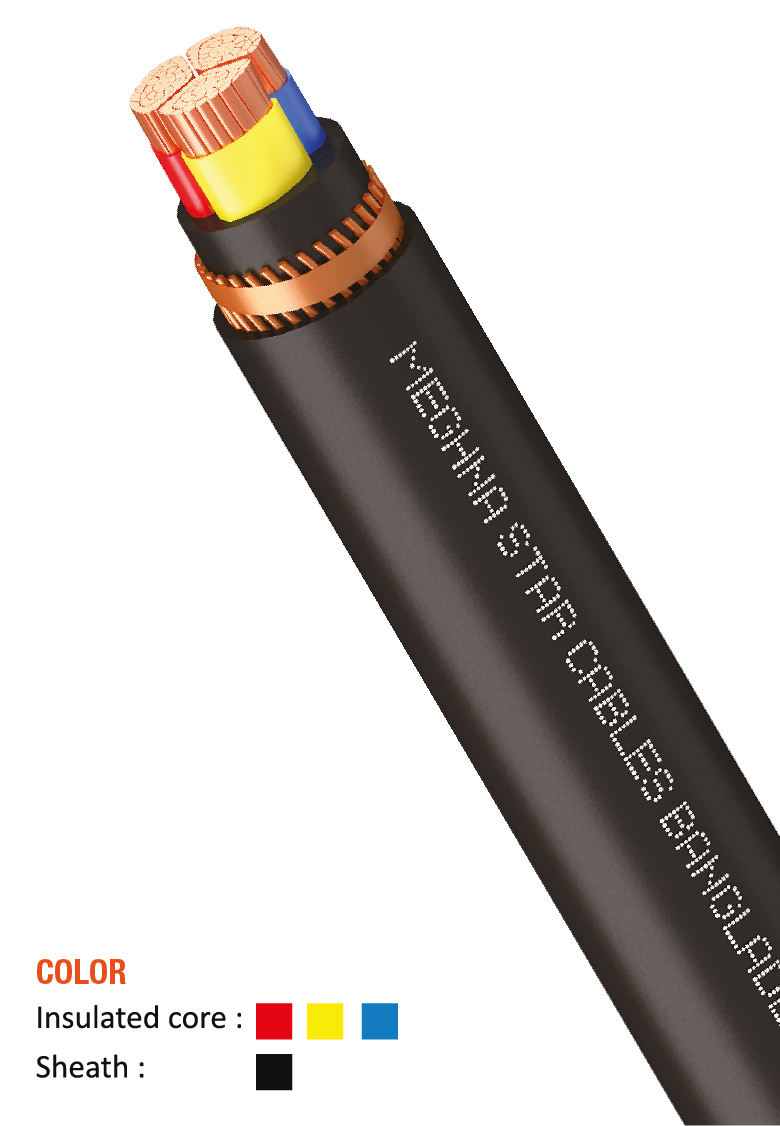
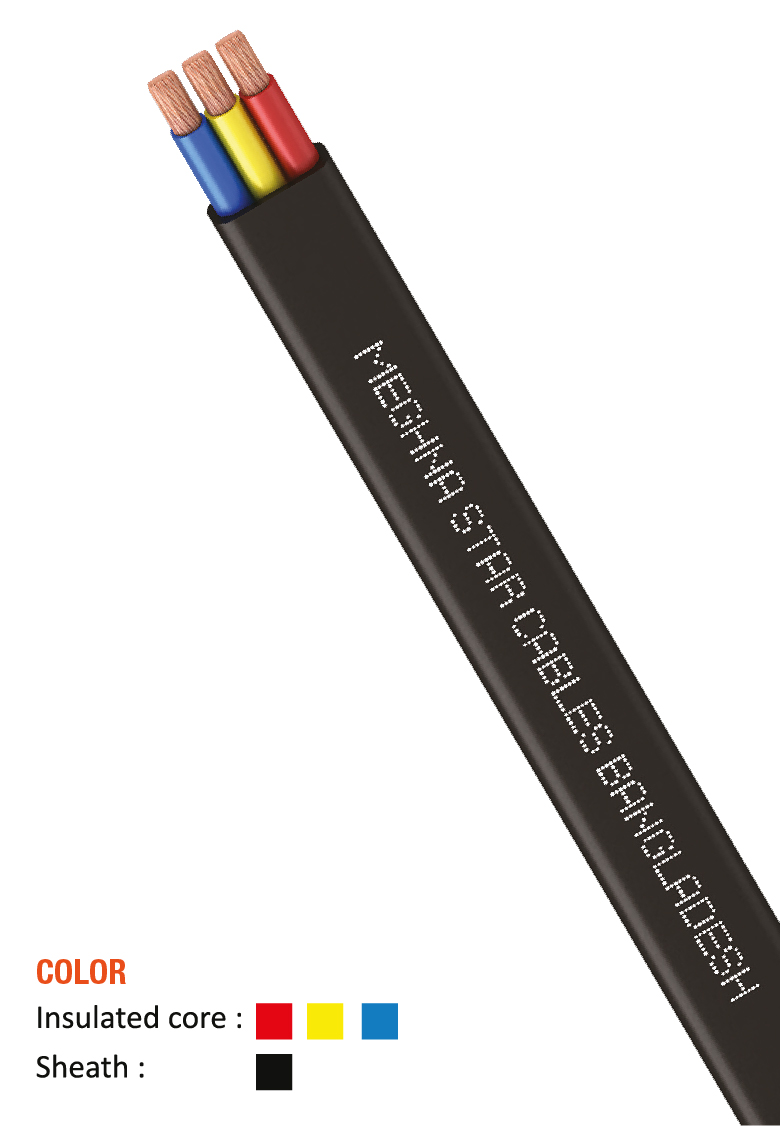
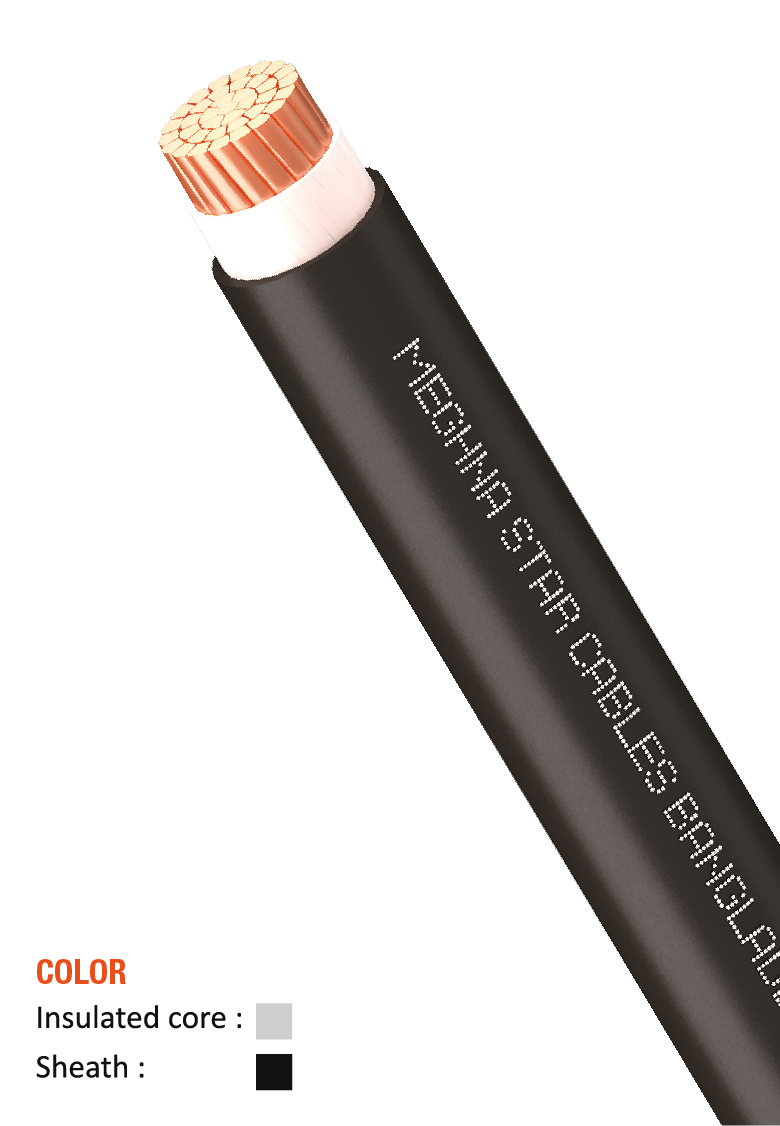
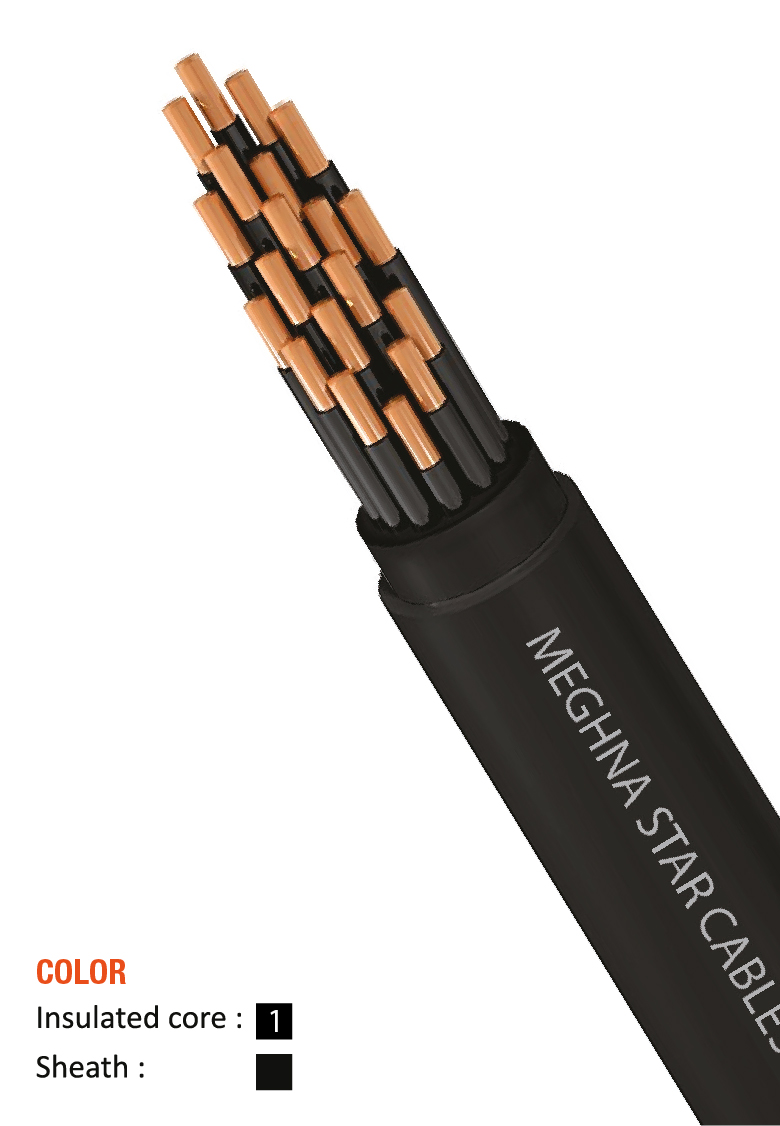
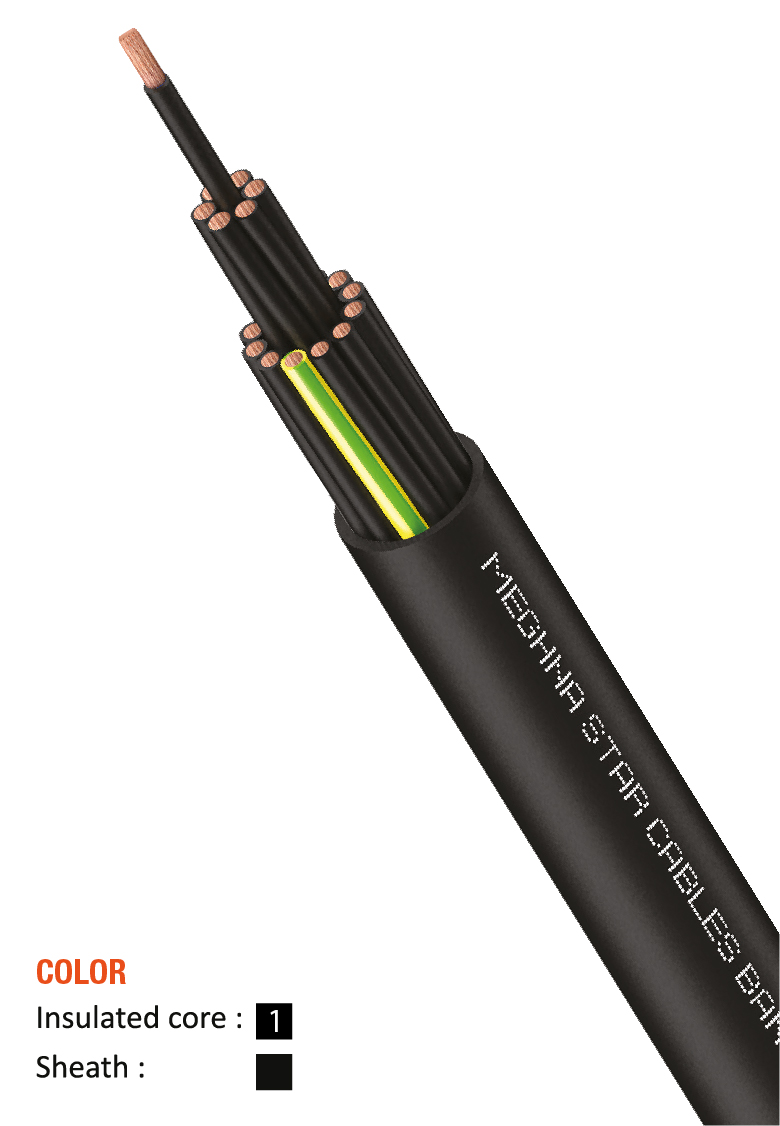

Power, control and instrumentation cables

ABS | DNV-GL | Bureau Veritas | Lloyd’s register certified

Fire-resistant version available

Trusted Quality: cables from a recognized manufacturer

Technical expert support and after-sales service

Premium service and global logistics
Low voltage cables are mainly used for telecommunications, data networking, security and alarm systems, CCTV, home automation, lighting control systems, audio/video systems, and industrial control applications where safe and low-power signal or energy transmission is required.
When buying low voltage cables, the main factors to consider are:
Application type (data, power, control, CCTV, etc.)
Conductor material and size (copper or aluminum, correct gauge for load)
Insulation and jacket quality (PVC, LSZH, fire resistance)
Voltage rating and standards compliance
Environmental conditions (indoor, outdoor, underground, moisture, heat)
Flexibility requirements (solid vs stranded conductors)
Shielding needs (to reduce electromagnetic interference for data/signal cables)
Durability and fire safety rating (flame-retardant or low-smoke options)
Benefits of low voltage cables:
Safer to use with lower risk of electric shock
Energy-efficient for small power and signal transmission
Cost-effective installation and maintenance
Easy to install in tight or complex spaces
Reliable for data, control, and communication systems
Reduced electromagnetic interference for clearer signals
Widely used in security, networking, and automation systems
Low voltage cables are typically used in telecommunications and networking systems, CCTV and security systems, fire alarm systems, home and building automation, audio/video installations, lighting control systems, and industrial control and instrumentation systems where safe transmission of low-power signals or electricity is required.
The right cable depends on the application, required voltage rating, installation environment (indoor, outdoor, underground), conductor size, shielding needs, and safety standards. For example, shielded cables are preferred in areas with high electromagnetic interference, while LSZH cables are used in enclosed spaces for better fire safety.
Yes, depending on the type, low voltage cables can carry power, data, or both. For example, Ethernet cables carry data and may also support power transmission through PoE (Power over Ethernet), making them suitable for modern networking systems
The typical lifespan of a quality low voltage cable ranges from 15 to 25 years. However, this depends on installation quality, environmental conditions, load levels, and exposure to heat, moisture, or mechanical stress.